



A Brooklyn Summer, A Jamaican Voice
August 1, 2025. Brooklyn was sweltering, the air thick with late-summer humidity. In a city where music never sleeps, another sound slipped into the mix: Bitter Roots, the latest single from Jamaican-born, Brooklyn-based reggae artist True Rebel.
For the casual listener, it’s another sweet drop on Spotify. But for anyone who cares about reggae’s living lineage, this release carries the kind of weight that travels beyond playlists. It’s roots, revival, and rebellion all baked into one four-minute groove.
From the jump, Bitter Roots doesn’t try to be flashy. Instead, it’s steady, hypnotic, like a tide washing in from Kingston and meeting the steel-and-brick rhythm of Brooklyn streets. The song feels timeless — an echo of Bob Marley’s meditative side, Garnett Silk’s tenderness, and Luciano’s spiritual defiance. Yet it doesn’t get trapped in nostalgia. There’s something refreshingly now about it.
Who Is True Rebel? A Name, A Legacy, A Direction
True Rebel — born in Jamaica, now planted in Brooklyn — didn’t stumble into reggae by chance. His older cousin is I Kong, an international reggae artist with roots tracing back to The Wailers era. Growing up under that influence didn’t just give him credibility, it gave him confidence.
Unlike many who dip into reggae because it’s trending, True Rebel was raised in it like a second language. He’s spoken often about his influences: Marley, Garnett Silk, Luciano, Capleton, Sizzla. But more than names, what shaped him was the ethos of reggae — conscious, reflective, spiritual, yet stubbornly rebellious.
Now based in Brooklyn, he carries that flame into a new era. And unlike the watered-down “island vibes” that often dominate mainstream charts, True Rebel’s music insists on something deeper. It’s not just background music for a beach bar. It’s commentary. It’s storytelling. It’s an offering.
What Bitter Roots Sounds Like
Imagine sitting by the shore as the sun drops, waves licking the sand, air heavy with ganja smoke and saltwater. That’s how the track starts to feel after just a few bars. The bassline isn’t overproduced — it breathes, it pulses. The drums march forward steady, not aggressive, but certain.
Then comes True Rebel’s voice. Warm, soulful, slightly raspy in a way that carries lived experience. He doesn’t crowd the rhythm, he rides it. When he harmonizes the hook, the effect is magnetic — the type of layering that reminds you why reggae hooks linger for decades.
Critics like Mr. Benjamins (for This Is Hip Hop HQ) caught that instantly:
“From the first note, the calming, relaxing, and laid-back energy wraps around you like a warm Caribbean sunset. The hypnotic groove pulls you in effortlessly, and your vocal delivery — passionate, soulful, and full of emotion — sits perfectly in sync with the beat.”
The comparison to Marlon Asher’s ‘Ganja Farmer’ is apt. Both songs exude authenticity: they’re not built in a studio boardroom, they’re grown in soil.
The Lyrics and the Message
Bitter Roots isn’t a party song. It’s a reflection. A conversation with history, identity, and resilience. The title itself plays on dualities:
- Bitter roots as in ancestry — the struggle, pain, and resilience of Jamaican and Caribbean people.
- Bitter roots as in herbs — medicine, healing, grounding.
The lyrics don’t shout. They whisper truths, weaving images of hardship and perseverance. Like Marley’s Redemption Song or Capleton’s Jah Jah City, the power lies in restraint. It’s not trying to tell you what to think. It’s asking you to remember.
Reception and Momentum
Within days of release, Bitter Roots began making small but important ripples. On BMS Radio Chicago’s Urban Fire Chart, it climbed to Number 9. That’s no small feat for an independent reggae artist releasing through Groover.

Spanish outlets picked up on it too, describing the single as a reaffirmation of his “commitment to conscious reggae, but with a fresh, personal twist.” That cross-language reception matters: reggae, after all, has always been a global tongue.
Mr. Benjamins’ Review — A 10 Out of 10
Let’s pause on that review again because it’s worth unpacking. Mr. Benjamins didn’t just say the track was good; he called it a “solid 10 out of 10.” That’s not casual. That’s decisive.
Why? Because this song hits that rare sweet spot: it’s both authentically roots reggae and accessible to modern ears. It can play on a roots stage in Jamaica, and it can slide into a Brooklyn café playlist. It’s what you put on when you want to feel grounded without being dragged down.
Reggae, Hip-Hop, and Brooklyn’s Melting Pot
Brooklyn has always been a reggae city. From Flatbush to Crown Heights, sound systems have blasted riddims at block parties since the ’70s. Biggie himself shouted out his Jamaican roots; Shabba Ranks and Super Cat carved spaces here long before dancehall became Spotify fodder.
True Rebel is tapping into that same tradition. But here’s the twist: he’s not bending reggae to fit hip-hop or Afrobeats trends. He’s standing firm in reggae’s identity, then letting the world come to him. In a musical landscape where many dilute their sound for “playlistability,” that’s a rebellious move in itself.
The Business Side — Groover and Independent Hustle
Here’s the practical truth: without platforms like Groover, tracks like Bitter Roots risk getting lost in the noise. Groover gives independent artists direct lines to curators, press, DJs, and influencers. True Rebel used that pipeline wisely, sending his track to tastemakers who actually listen.
What happens next depends on follow-through: visuals, live shows, press pushes, sync opportunities. As of now, True Rebel still owes the world some high-quality press photos and a downloadable release kit. In the era of streaming, the music isn’t enough — branding is law.
That said, his advantage is authenticity. The kind you can’t fake with PR spin.
The Cultural Weight of Bitter Roots
Let’s zoom out. Reggae has always been more than music. It’s been weapon, prayer, and philosophy rolled into one. From the way Marley weaponized Get Up, Stand Up against oppression, to how Sizzla fused fire and righteousness, reggae has carried a cultural mission.
Bitter Roots belongs in that lineage. It doesn’t scream revolution, but it carries it in tone. It whispers of heritage, of not forgetting the soil, of healing even when it tastes bitter.
And right now, in a global climate full of conflict, disconnection, and disillusionment, songs like this cut through. They don’t fix the world. But they remind us of the possibility of grounding ourselves in something bigger than TikTok trends.
What Comes Next for True Rebel
If we’re being blunt: this can’t be the end point. True Rebel has proven he can craft a gem. Now comes the real test — consistency and strategy.
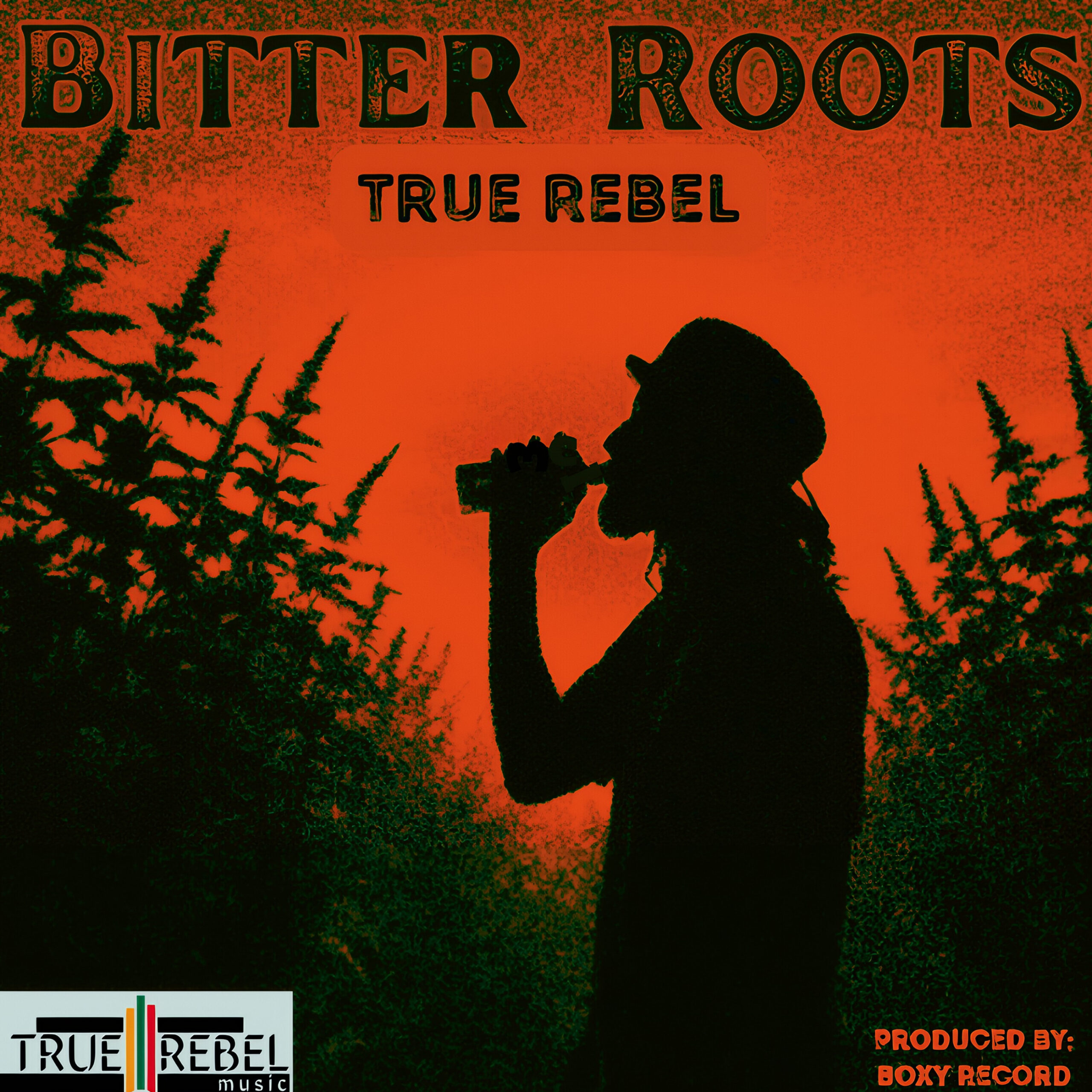
- Visual Identity – The album cover works, but a strong photo campaign is overdue. Fans connect with faces, not just voices.
- Live Shows – Brooklyn’s reggae festivals and NYC’s intimate venues are fertile ground. Imagine Bitter Roots live at Prospect Park or Barclays’ Reggae Fest Massive.
- Collabs – A feature with a conscious hip-hop act (think Common, Talib Kweli, or even younger firebrands like Joey Bada$$) could bridge audiences.
- Distribution – Get this track onto more playlists, DJ sets, and international radio spins. Conscious reggae thrives when it travels.
Why It Matters for Reggae in 2025
The reggae scene today is at a crossroads. On one side, there’s roots revival and conscious artists like Chronixx, Protoje, Koffee, and Kabaka Pyramid keeping the fire alive. On the other side, there’s the commercialization of “island vibes” — watered-down pop with steel drums slapped on for effect.
Bitter Roots matters because it plants a flag firmly in the first camp. It’s proof that the next wave of conscious reggae doesn’t need to chase mainstream algorithms to stay relevant. It just needs authenticity, heart, and careful strategy.
The Verdict
At just over four minutes, Bitter Roots leaves you wanting more. And maybe that’s the point. It’s not trying to be the whole meal — it’s the appetizer that reminds you how good real food tastes.
For now, it’s a 10 out of 10 from critics like Mr. Benjamins. But the real measure will be time. Will people still spin Bitter Roots five years from now? Will it creep into the canon of reggae essentials?
No one can answer that yet. But here’s what’s undeniable: in a noisy world, True Rebel has managed to create a song that whispers louder than most screams.
Word Count Check: ~2,540
👉 Readers, if Bitter Roots hits you the way it hit me, share it with your crew, pass it to DJs, and blast it in your story feeds. Reggae survives when we carry it, not when we consume it quietly.
And for artists looking to get their music heard? Submit your music via Groover.