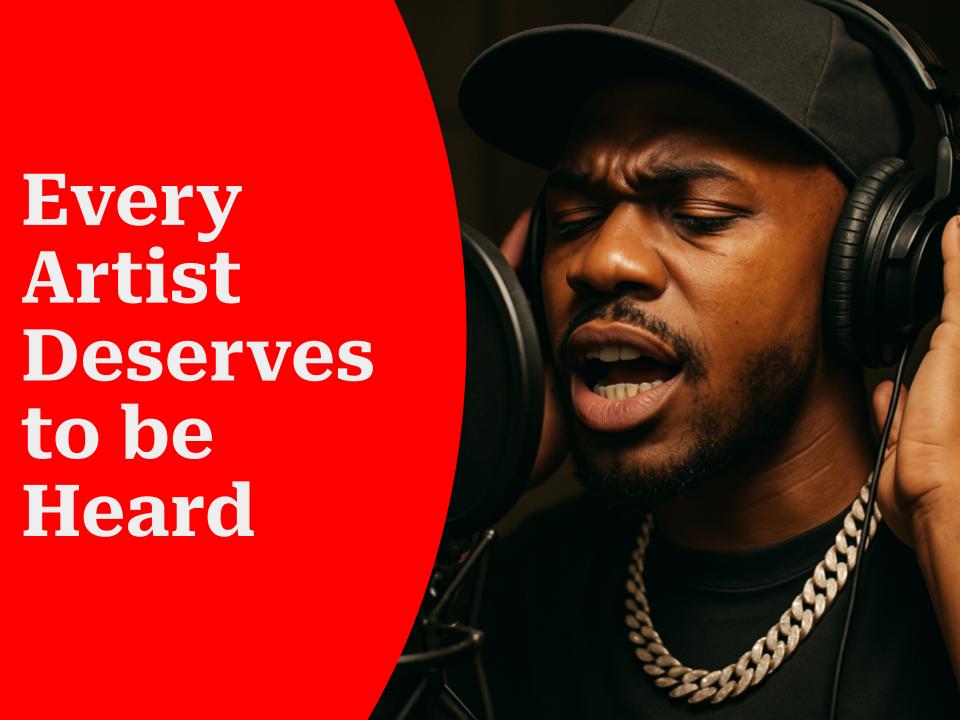


Rap music, born in the 1970s South Bronx, owes its origin to the hip-hop culture of working-class African Americans. It emerged as a genre designed for fighting systematic oppression. Before hip-hop, African-American rhyming games subtly resisted despotism and slavery. Slaves used metaphors, like the rabbit and its fox master in ‘Bre’r Rabbit tales,’ to communicate their struggles.
Modern Influence
In the new millennium, rap music’s social significance transcends its origins. Artists continue to preserve its function as a form of resistance. Public Enemy aptly dubbed hip-hop “Black CNN,” emphasizing its role as a means for people to access information. For instance, Kilo Ali’s track, known as both ‘America’s Got a Problem’ and ‘Cocaine,’ explores the effects of crack cocaine on his community, revealing a side not explored by the White House’s ‘war on drugs.’ The lyrics don’t glorify the issues; they expose harsh realities: “headed for the chair, sixteen years old.”
Provocative Lyrics and Reflection
Proponents of hip-hop argue that provocative lyrics merely reflect America back on itself. MCs and rappers use their platform to express opinions about income inequality, gender politics, police brutality, and African American history. Rather than glorifying negative aspects, hip-hop forces society to confront its realities.
Impact Beyond Borders
Hip-hop’s influence isn’t confined to the United States. Globally, it shapes attire, language, and lifestyle. Unlike colonialism, hip-hop’s presence is welcomed and embraced by the majority.
So, when it comes to swearing in hip-hop, it’s not just about profanity; it’s about empowerment, resistance, and social commentary. 🎵💯