

Hip-hop has been the subject of intense scrutiny for decades, with one recurring theme standing at the center of debate: its portrayal of gangsterism. From the streets of Compton to the boroughs of New York, hip-hop has often been synonymous with crime, violence, and a tough, rebellious attitude. But is this portrayal an accurate reflection of the culture, or is it an overblown stereotype perpetuated by the media and music industry? Let’s take a deep dive into the origins, evolution, and implications of gangsterism in hip-hop.

The Origins: A Reflection of Reality
Hip-hop was born in the 1970s in the Bronx, New York, as an artistic expression of the struggles faced by marginalized communities. It was a response to poverty, systemic racism, and police brutality. The music, graffiti, breakdancing, and DJing formed the four elements of hip-hop, offering young people an alternative to the violence and crime that plagued their neighborhoods.
By the 1980s, the emergence of hip-hop as a powerful storytelling medium saw artists using their lyrics to depict their environment’s harsh realities. Instead of glorifying crime, many artists were simply narrating the struggles of life in urban America. However, as the genre evolved, some rappers began adopting a gangster persona, either as a reflection of their past or as a marketable image to gain popularity.
The Birth of Gangsta Rap
Gangsta rap, a subgenre of hip-hop, emerged in the mid-1980s with artists like Schoolly D and Ice-T pioneering the style. Unlike earlier hip-hop that focused on party anthems and social activism, gangsta rap was raw, aggressive, and unapologetically explicit. The lyrics painted vivid pictures of street violence, drug dealing, police harassment, and gang conflicts.
The defining moment for gangsta rap came in 1988 when N.W.A. released Straight Outta Compton, an album that shook the nation. Songs like “F**k tha Police” became anthems for disenfranchised youth, sparking controversy and government backlash. The group’s unfiltered depiction of life in South Central Los Angeles resonated with many, solidifying gangsta rap as a dominant force in hip-hop.
Media Influence and Stereotyping
As gangsta rap gained popularity, mainstream media amplified its most controversial aspects. Sensationalism sells, and the music industry quickly realized that promoting violence, rebellion, and criminal elements in hip-hop was profitable. Record labels encouraged artists to embrace a gangster image, leading to the commercialization of gangsterism in hip-hop.
This portrayal created a paradox: while many rappers were using their music as a means of storytelling, the industry and media often reduced hip-hop to a one-dimensional stereotype of violence and criminality. Artists who didn’t fit this mold found it harder to gain mainstream attention, reinforcing the idea that gangsterism was an integral part of hip-hop culture.
The Debate: Art Imitating Life or Life Imitating Art?
One of the biggest questions surrounding gangsterism in hip-hop is whether the music influences real-life crime or simply reflects existing societal issues. Critics argue that glorifying gangster lifestyles can encourage impressionable listeners to adopt similar behavior. The debate intensified in the 1990s as hip-hop saw an increase in feuds, both in music and real life.
The most infamous example of this was the East Coast vs. West Coast rivalry, which led to the deaths of two of hip-hop’s biggest legends—Tupac Shakur and The Notorious B.I.G. Many believe that their deaths were a result of the violent culture perpetuated in hip-hop at the time. However, others argue that hip-hop was merely a reflection of deeper social and economic issues that had plagued Black communities for decades.
Commercialization and the Business of Gangsterism
By the late 1990s and early 2000s, gangsta rap had become one of the most lucrative genres in music. Rappers like 50 Cent, DMX, and The Game capitalized on their street credibility, turning their past experiences into successful brands. Albums with violent themes outsold conscious hip-hop, reinforcing the notion that gangster imagery was a winning formula.
Record labels continued to push gangsterism in hip-hop, but not necessarily for its artistic value. The focus shifted from storytelling to entertainment, where the image of being a “gangster” became more important than the music itself. Rappers who never lived the street life began fabricating stories of crime and violence to fit the mold, leading to an industry-wide identity crisis.
Hip-Hop’s Evolution and Diversification
Despite the dominance of gangsta rap, hip-hop has continued to evolve, with artists embracing different narratives and themes. The rise of conscious rap, backpack rap, and alternative hip-hop has provided a counterbalance to the gangster persona. Artists like Kendrick Lamar, J. Cole, and Chance the Rapper focus on storytelling, social issues, and personal introspection rather than glorifying crime.
Furthermore, hip-hop has expanded globally, influencing cultures outside of the United States. International artists incorporate their own experiences into the genre, proving that hip-hop is much more than gangsterism—it’s a platform for voices from all walks of life.
Current Reflections: Hip-Hop on Trial?
Recently, hip-hop has faced legal scrutiny, with courts using rap lyrics as evidence in criminal cases. Young Thug’s ongoing trial, where prosecutors are using his lyrics to link him to alleged gang activity, has reignited the debate on artistic freedom versus criminal responsibility. Many argue that hip-hop is being unfairly targeted, with lyrics being taken out of context to criminalize Black artists.
This legal battle raises a crucial question: If actors can portray violent roles in movies without legal consequences, why are rappers held to a different standard? Hip-hop, like any other form of art, should be recognized as creative expression rather than a literal confession.
Advice to Aspiring Artists
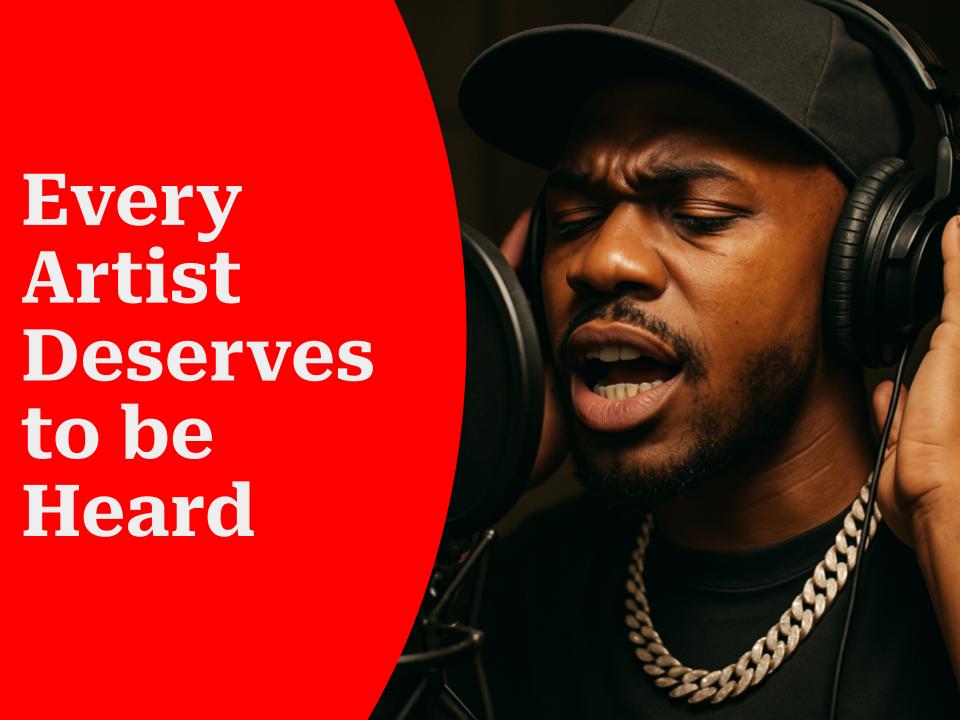
To young artists coming up in the industry, here’s a word of advice: Authenticity is everything. While the gangster persona has played a significant role in hip-hop’s history, it’s important to carve your own path. Your experiences, struggles, and perspectives are valuable, whether they align with traditional hip-hop themes or not.
Hip-hop’s true power lies in its ability to tell stories, challenge norms, and inspire change. As an artist, you have the opportunity to shape the culture rather than conform to industry expectations. Don’t let stereotypes define your artistry—hip-hop is vast, and your voice matters.
Conclusion: Beyond the Stereotype
Hip-hop and gangsterism are intertwined, but not in the way that mainstream media often portrays. While gangsta rap remains a vital part of hip-hop’s history, it doesn’t define the culture as a whole. Hip-hop is about more than just violence and crime; it’s about resilience, creativity, and storytelling.
As the genre continues to evolve, it’s crucial to challenge one-dimensional narratives and recognize hip-hop’s depth. Rather than reducing it to gangsterism, we should celebrate its diversity and the countless voices that contribute to its legacy.
Join the Conversation
What are your thoughts on gangsterism in hip-hop? Does it glorify violence, or is it simply a reflection of reality? Join the discussion and share your opinions.
Don’t forget to follow our Facebook page and stay updated on the latest in hip-hop culture. Also, if you’re an artist looking to promote your music, check out our promotion packages.
And most importantly—share this article with your friends and keep the conversation alive!